
Signs It’s Time to Seal Your Asphalt Surface
Noticing cracks, fading color, or water pooling are signs it’s time to seal your asphalt surface, and local contractors can help protect and extend its lifespan.
Property owners in the area often find themselves wondering when it’s time to consider sealing their asphalt surfaces. Recognizing the signs early can help preserve the integrity and appearance of driveways, parking lots, or other paved areas. Common indicators include visible cracks, surface fading, or the presence of small potholes-these are often signals that the asphalt is losing its protective layer and may benefit from professional sealing. Staying attentive to these signs can prevent more costly repairs down the line and maintain the overall value of the property.
When signs like surface deterioration or weather-related wear become apparent, local contractors specializing in asphalt sealing can provide the necessary services to restore and protect the surface. These professionals understand the specific needs of asphalt surfaces in the area and can recommend the right approach to ensure durability and longevity. Exploring these options can help property owners make informed decisions about maintenance, keeping paved surfaces in top condition and ready to withstand daily use.
- Asphalt driveway sealing services are recommended when signs it’s time to seal your asphalt surface include visible cracks and surface deterioration, which local contractors can address to extend pavement life. Parking lot sealing may be needed if the surface shows fading or loss of color, indicating the sealant has worn away and needs renewal. Driveway sealing professionals are often contacted when oil spots or stains become prominent, as sealing helps protect against further damage and staining. When small cracks start to appear or the surface begins to roughen, local service providers can evaluate and apply sealing to prevent more extensive repairs. Seal coating for walkways or patios is advisable when surface wear or minor surface cracks are evident, helping to preserve the appearance and durability of the asphalt.
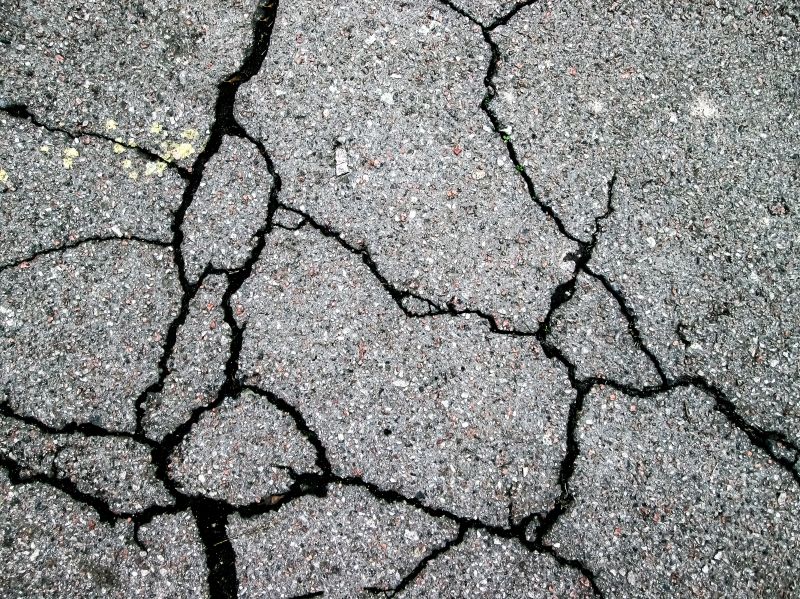
Understanding the signs it’s time to seal your asphalt surface is essential for maintaining a durable and safe parking area or driveway. When homeowners search for this topic, they are often looking for guidance on how to recognize when their asphalt needs attention before more serious damage occurs. Common indicators include the presence of surface cracks, fading or loss of color, and the appearance of small potholes or ruts. Recognizing these early warning signs can help prevent more extensive repairs down the line and extend the lifespan of the asphalt surface. Local contractors who specialize in asphalt sealing can assess these signs and recommend the appropriate timing for sealing to keep the surface in optimal condition.
This topic is closely related to property maintenance and planning for future repairs or upgrades. For property owners, knowing when to seal an asphalt surface ties into broader plans to preserve the value and safety of their property. Asphalt surfaces that are not sealed at the right time may suffer from water penetration, which can lead to cracking, erosion, and even structural failure over time. Additionally, those preparing to sell or lease a property often consider sealing as part of their upkeep routine to improve curb appeal and prevent costly repairs. Local service providers can help evaluate the current condition of an asphalt surface and determine whether sealing is needed to meet ongoing property maintenance goals.
The kinds of properties that typically come up in this context include residential driveways, parking lots for commercial buildings, and private roads within larger properties. Residential properties often see homeowners seeking sealing services to protect their driveways from weather-related wear and tear. Commercial properties, on the other hand, may require sealing for parking lots that endure high traffic volumes, helping to maintain a professional appearance and prevent damage that could disrupt business operations. Larger properties such as apartment complexes or community centers also benefit from regular sealing to keep surfaces safe and functional for residents and visitors. Local asphalt sealing contractors are experienced in handling these different property types and can provide tailored advice based on the specific needs of each site.
Ultimately, recognizing the signs it’s time to seal your asphalt surface involves paying attention to surface condition, color, and the presence of damage. Cracks, fading, and surface irregularities are typical indicators that the protective seal coat has worn down and that sealing may be necessary. Property owners who notice these signs should consider consulting with local contractors who specialize in asphalt sealing. These professionals can evaluate the current state of the surface and recommend the appropriate timing for sealing to help preserve the asphalt’s integrity. Properly timed sealing not only enhances the appearance of a property but also plays a vital role in preventing further deterioration, making it an important step in ongoing property maintenance.
Paving repair projects - these tasks often require similar surface preparation and planning as asphalt sealing to ensure a smooth, durable finish.
Driveway resurfacing - involves assessing surface conditions and applying protective coatings, making it comparable to sealing asphalt surfaces.
Parking lot maintenance - includes crack filling and surface treatments that complement sealing work to extend pavement lifespan.
Asphalt crack filling - a preparatory step that helps prevent water damage, often performed before sealing to enhance durability.
Surface cleaning and power washing - necessary for proper adhesion of sealants and similar to the cleaning steps in asphalt sealing projects.
Concrete sealing services - while different materials, both involve surface preparation and protective coatings to preserve pavement integrity.
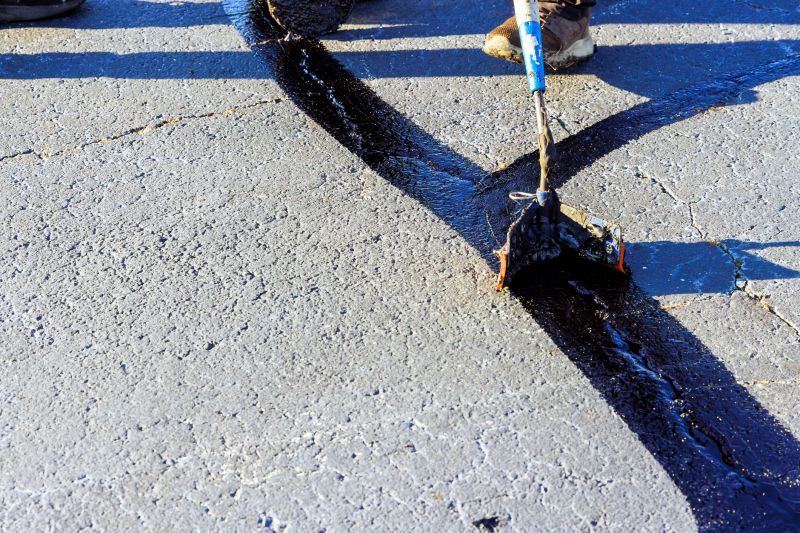
When comparing service providers for asphalt surface sealing, it’s important to consider their experience with similar projects. Homeowners should look for local contractors who have a proven track record of successfully sealing asphalt surfaces comparable in size and condition to their own. An experienced professional will understand common issues that arise with different types of asphalt and know how to address them effectively, helping to ensure a durable and long-lasting seal. Asking about past projects or requesting references can give a clearer picture of a contractor’s familiarity with asphalt sealing and their ability to handle the specific needs of a property.
Clear written expectations are essential when evaluating potential service providers. A reputable contractor should be able to provide a detailed scope of work, outlining the steps involved, the materials to be used, and what the homeowner can expect in terms of results. This transparency helps prevent misunderstandings and ensures that both parties are aligned on the project’s goals. Homeowners should feel comfortable asking for clarification or additional details to confirm that the contractor’s approach aligns with their expectations for the condition of their asphalt surface and the longevity of the seal.
Good communication and reputable references are key indicators of a trustworthy local contractor. Service providers who are responsive and willing to answer questions demonstrate professionalism and a commitment to customer satisfaction. Additionally, seeking references or reviews from previous clients can provide insights into the contractor’s reliability, quality of work, and ability to complete projects on time. Establishing open lines of communication early on can help ensure that homeowners stay informed throughout the process and that any concerns are addressed promptly, leading to a smoother experience when sealing an asphalt surface.
Property owners often search for signs it’s time to seal your asphalt surface when they are planning practical projects around their homes and businesses. Local pros provide Asphalt Surface Sealing services for everyday jobs and straightforward project options.
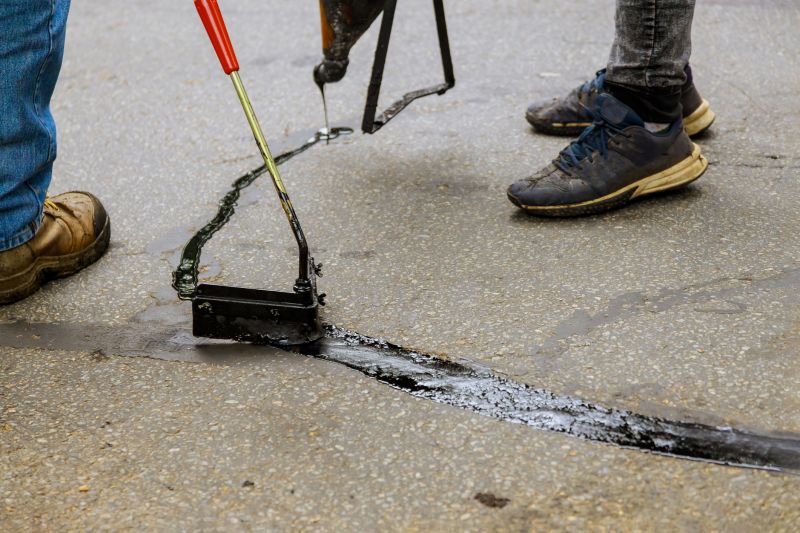
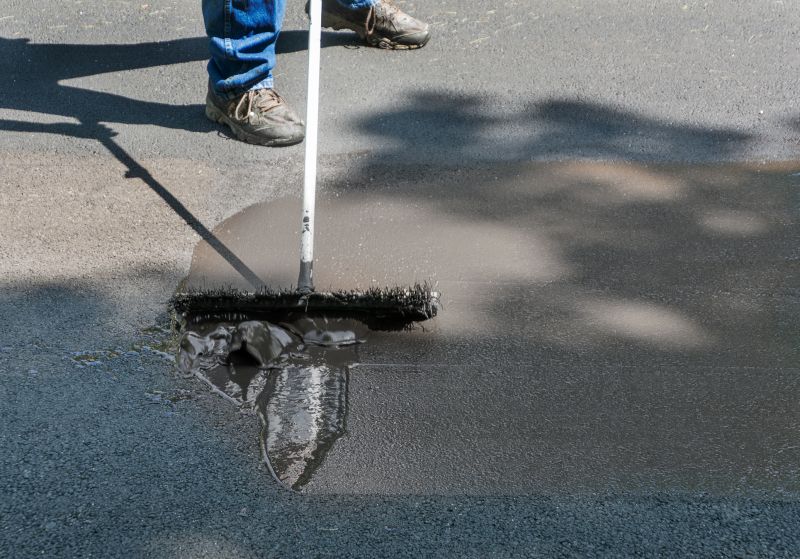
Property owners may notice surface cracks or small potholes forming on their asphalt driveways or parking lots, which can be signs it’s time to seal the surface. These imperfections often develop over time due to regular wear and tear, and sealing can help protect the asphalt from further damage. Additionally, a dull or faded appearance can indicate that the asphalt’s protective layer is wearing down, making it more vulnerable to the elements and potential deterioration. When these signs are observed, local contractors who specialize in asphalt sealing can assess the condition and recommend appropriate services to preserve the surface’s integrity.
Other common indicators include the presence of water pooling after rain or the emergence of surface oxidation, which appears as a chalky or whitish residue. These issues suggest that the asphalt’s surface is losing its protective coating, increasing the risk of cracks and surface degradation. Property owners who notice such signs may consider reaching out to local service providers experienced in asphalt sealing to help restore and maintain their surfaces. Proper sealing not only enhances curb appeal but also extends the lifespan of the asphalt, making it a practical step when these everyday signs appear.
What are common signs that indicate it's time to seal my asphalt surface? Visible cracks, surface erosion, and fading color are typical signs it’s time to consider sealing your asphalt surface to protect it from further damage.
How does surface cracking relate to the need for sealing? Cracks often allow water to penetrate, which can lead to more extensive damage; sealing can help prevent cracks from worsening and extend the lifespan of the asphalt.
Can fading or discoloration be a sign to seal asphalt? Yes, color fading or uneven discoloration can indicate the asphalt’s surface is deteriorating and may benefit from sealing to restore and protect it.
Is surface erosion an indicator that sealing is needed? Surface erosion, where the top layer wears away, exposes the underlying material and suggests that sealing can help preserve the asphalt’s integrity.
Should I consider sealing if I notice oil spots or stains? Oil spots and stains can weaken the asphalt surface, making sealing a helpful step to protect against further damage caused by chemicals and stains.
Cracked or crumbling surface - When visible cracks or crumbling patches appear, it indicates the asphalt may need sealing to prevent further deterioration.
Faded or worn appearance - A dull, faded look suggests the asphalt has lost its protective layer and could benefit from sealing services by local contractors.
Oil spots or stains - The presence of oil stains can weaken the surface; sealing can help protect against stains and extend the lifespan of the asphalt.
Pooling water or uneven surface - Water pooling or noticeable unevenness can signal the need for sealing to improve surface integrity and prevent damage.
If you are thinking about signs it’s time to seal your asphalt surface for a property, this guide is meant to help you understand this topic, the typical project types, and how different options might fit your plans.
When you are ready, you can use the quote form on this page to share a few details about your project. From there, local pros can review the basics and follow up with options that match what you have in mind.